Apr 13, 2025
The Global UV Landscape: How Geography Shapes Your Exposure
When it comes to ultraviolet radiation, your location on the planet might matter more than the season or time of day. From the scorching UV intensity of high-altitude Andean cities to the deceptively powerful rays of Nordic summer evenings, geography creates dramatic variations in how UV radiation impacts our lives. Understanding these global patterns isn't just fascinating science—it's essential knowledge for travelers, public health officials, and anyone seeking to balance the benefits and risks of our relationship with the sun.
The Latitude Effect: Not All Locations Are Created Equal
The most fundamental factor influencing UV exposure is latitude—your distance from the equator:
The Equatorial Zone (0-23.5°)
Cities like Quito, Singapore, and Nairobi experience extraordinarily consistent UV patterns throughout the year:
High baseline UV levels (typically 10+ at midday) regardless of season
Minimal seasonal variation in UV intensity
Nearly vertical sun angle at solar noon
Year-round UV protection requirements
Higher lifetime UV exposure for residents
The Subtropical Zone (23.5-40°)
Locations like Miami, Cairo, and Brisbane face extreme seasonal differences:
Summer UV levels approaching or exceeding equatorial intensity
Moderate winter UV levels that still require protection
Rapidly changing UV conditions during spring and fall
High risk for tourists acclimated to higher latitudes
Strong seasonal behavioral adaptations in local populations
The Mid-Latitude Zone (40-60°)
Cities such as New York, Paris, and Tokyo experience dramatic seasonal UV swings:
Potentially dangerous summer UV levels
Very low winter UV intensity
Rapidly increasing spring UV levels that often outpace behavioral adaptation
Significant variation in required protection strategies by season
Challenges in maintaining year-round vitamin D levels
The Polar Regions (60-90°)
Places like Anchorage, Oslo, and Ushuaia have the most extreme seasonal UV patterns:
Nearly 24-hour UV exposure during summer (though often at moderate intensity)
Minimal to zero UV exposure during polar winters
Rapid transitions between extremes during spring and fall
Reflected UV from snow intensifying actual exposure
Complex vitamin D challenges requiring careful seasonal management
Elevation: The Hidden UV Multiplier
For every 1,000 meters (3,280 feet) of elevation gain, UV radiation intensity increases by approximately 10-12%. This altitude effect creates some of the world's most extreme UV environments:
High-Altitude UV Hotspots
Some of the world's highest UV readings occur not at the equator but in high-elevation cities:
La Paz, Bolivia (3,640m/11,942ft): Despite being 16° from the equator, La Paz regularly experiences UV Index readings above 15 due to its extreme elevation. Residents develop cultural adaptations including traditional wide-brimmed hats and midday activity restrictions.
Lhasa, Tibet (3,656m/11,995ft): The "city of sunlight" combines high elevation with exceptionally clear air, creating extreme UV conditions. Traditional Tibetan architecture incorporates deep eaves and minimal windows to reduce interior UV exposure.
Quito, Ecuador (2,850m/9,350ft): Located directly on the equator at high elevation, Quito experiences among the most consistent extreme UV conditions on Earth. Schools typically schedule outdoor activities before 10am and after 4pm year-round.
Practical Implications for Mountain Activities
The elevation effect has significant implications for outdoor recreation:
A ski resort at 3,000m/9,840ft experiences approximately 30% higher UV than a beach at sea level at the same latitude
Snow reflection can double the effective UV exposure through reflection
Cloud cover at high elevations provides less UV protection than at sea level
UV intensity increases throughout a typical mountain ascent
Atmospheric Variables: Beyond the Basics
Regional atmospheric conditions create significant variations in UV exposure:
The Ozone Factor
While the global ozone layer has stabilized since the implementation of the Montreal Protocol, regional variations continue to affect UV exposure:
The Antarctic Ozone Hole: During the Southern Hemisphere spring, the Antarctic ozone hole allows significantly more UV radiation to reach parts of Chile, Argentina, New Zealand, and Australia. Public health alerts during these periods warn residents of temporarily elevated risk.
Urban Pollution Paradox: While air pollution poses numerous health risks, certain pollutants actually absorb UV radiation. This creates the counterintuitive situation where heavily polluted cities sometimes record lower ground-level UV than nearby rural areas with cleaner air.
Cloud Effects and Regional Climate
Cloud patterns create complex regional UV variations:
Tropical Cloud Cycles: Many equatorial regions experience predictable daily cloud cycles, with clear mornings and cloudy afternoons. This creates a UV pattern where the highest readings often occur before noon rather than at solar noon.
Marine Layer Effects: Coastal areas with regular marine layer formations (like California or Chile) experience dramatic localized UV variations, with beaches just a few miles apart recording significantly different UV levels based on fog patterns.
Monsoon Protection: Regions with strong monsoon seasons experience months of naturally reduced UV exposure, followed by extremely high UV during dry seasons when skies clear and ground-level ozone increases.
Reflection Amplifiers: When Geography Multiplies Exposure
Different landscapes can dramatically amplify UV exposure through reflection:
Snow and Ice Regions
Fresh snow reflects up to 80% of UV radiation, effectively nearly doubling exposure. This creates extreme conditions in:
Alpine ski areas, particularly in spring when UV intensity increases while snow cover remains
Polar and subpolar regions during spring, when snow remains but daylight hours rapidly increase
High-elevation tropical glaciers, which combine equatorial sun angles with snow reflection
Water Environments
Water surface reflection varies dramatically based on sun angle and water conditions:
Calm water reflects approximately 10% of UV radiation
Choppy water with whitecaps can reflect up to 30%
Shallow tropical waters with light-colored sandy bottoms create underwater reflected UV
Island environments with water on multiple sides create "reflection zones" with elevated UV
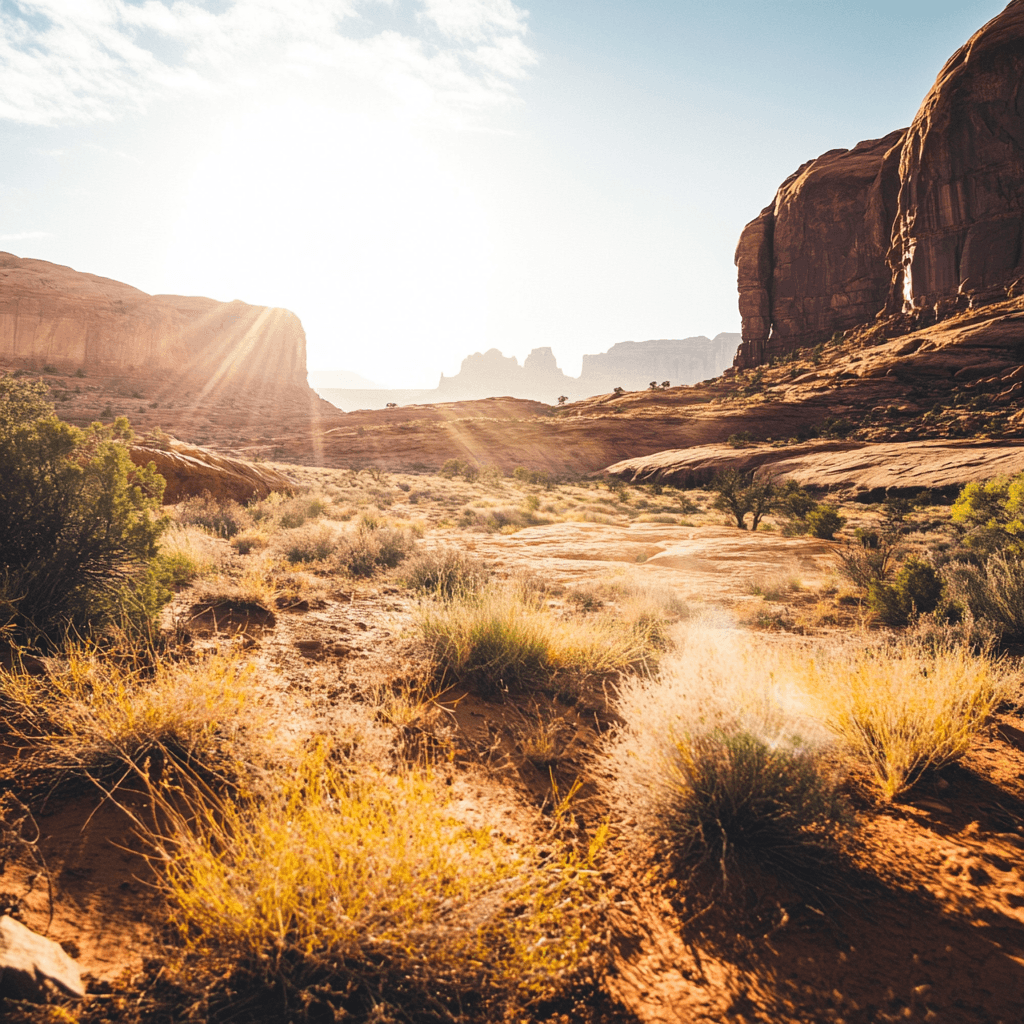
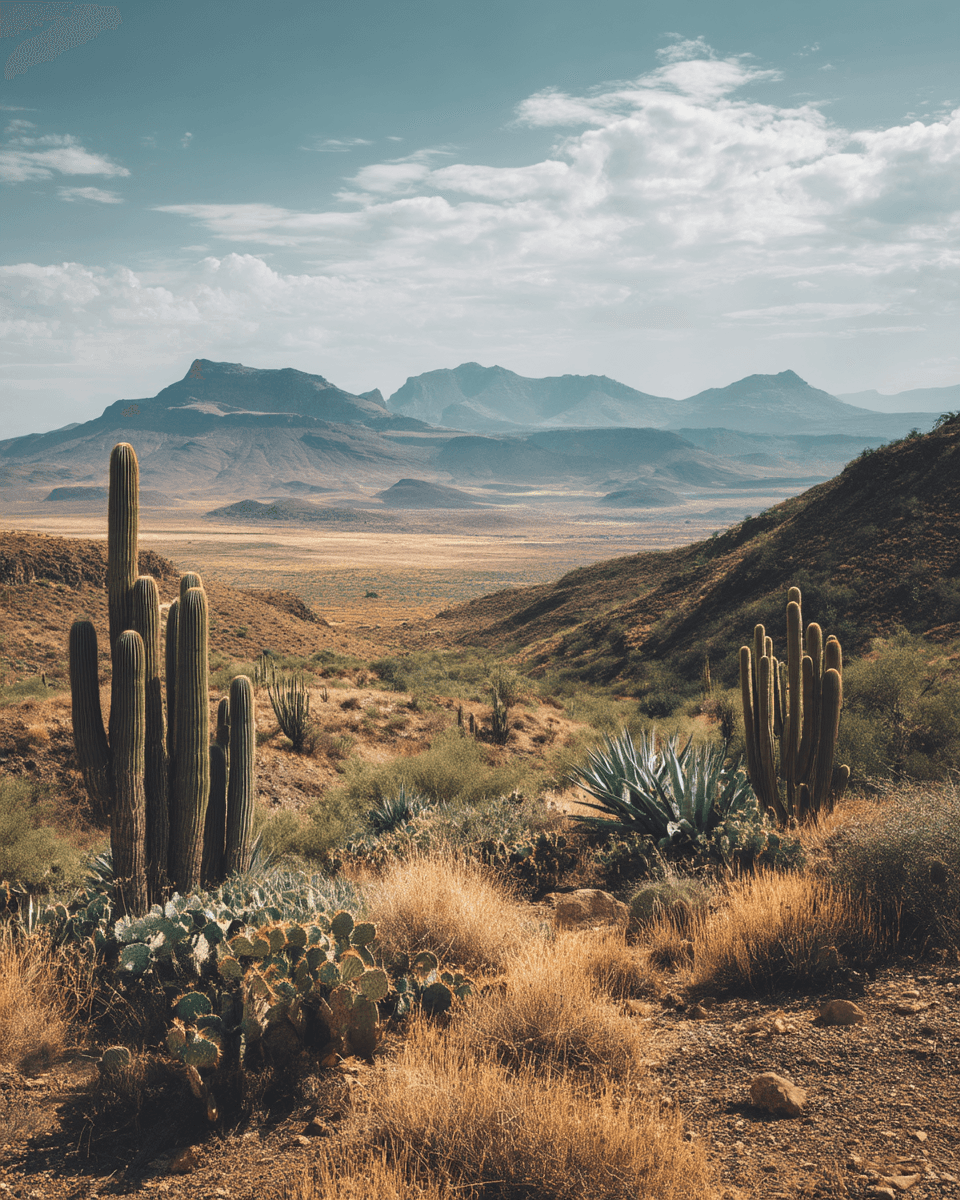
Desert Amplification
Desert environments intensify UV exposure through multiple mechanisms:
Minimal natural shade
Light-colored sand reflecting 15-30% of UV radiation
Extremely low humidity reducing the perception of heat (leading to longer exposure)
Limited atmospheric pollution to absorb UV radiation
Often combined with high elevation (e.g., American Southwest, Tibetan Plateau)
Cultural Adaptations: How Societies Respond to UV Environments
Throughout human history, cultures have developed sophisticated adaptations to their UV environments:
Architectural Responses
Traditional building designs reflect local UV conditions:
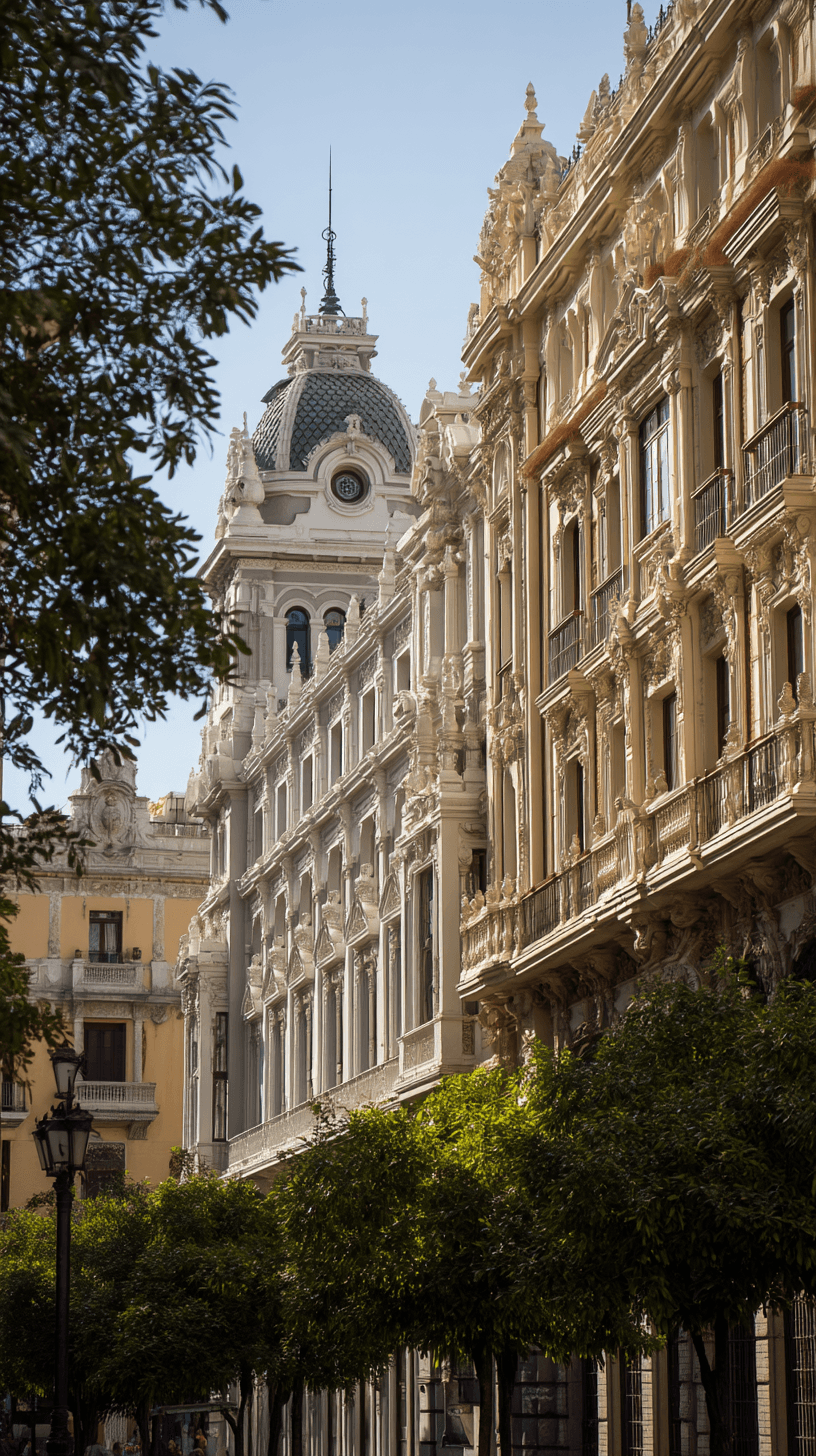
Mediterranean Strategies: Narrow streets, white buildings, small windows, and retractable awnings characterize cities like Santorini, minimizing direct and reflected UV exposure.
Middle Eastern Approaches: Enclosed courtyards, mashrabiyas (latticed window screens), and covered markets (souks) provide UV protection while allowing airflow in regions with extreme sun intensity.
East Asian Innovations: Traditional Japanese architecture features deep eaves and engawa (verandas) that block summer sun while allowing winter sunlight. Chinese courtyard homes similarly regulate seasonal UV exposure.
Behavioral Patterns
Daily schedules often reflect regional UV intensity:
The Siesta Tradition: The practice of midday rest in Mediterranean and Latin American cultures coincides precisely with peak UV hours, effectively reducing population exposure.
Dawn Activities: Many tropical cultures schedule outdoor physical activities at dawn, both for cooler temperatures and significantly reduced UV exposure.
Seasonal Migrations: Traditional pastoral communities in regions like North Africa and Central Asia developed seasonal migration patterns that partially correlate with changing UV intensity.
Global Travel: Crossing UV Boundaries
Modern global travel creates unique UV challenges as people rapidly move between different UV environments:
Vacation Sunburn Syndrome
The phenomenon of severe sunburn during the first days of vacation stems from several factors:
Rapid transition to higher UV environments without acclimatization
Increased outdoor exposure time
Reduced clothing coverage
Psychological "vacation mode" reducing protective behaviors
Often combined with water or snow reflection
Hemisphere Crossing
Travelers moving between hemispheres face particular challenges:
Transitioning from winter to summer (or vice versa) in a single day
Cultural dissonance (e.g., arriving at a Southern Hemisphere beach destination in December)
Disruption of learned seasonal protective behaviors
Potential confusion about appropriate protection levels
Jet Lag and Protection Timing
The combination of time zone changes and UV exposure creates unique challenges:
Confusion about peak UV hours in the new time zone
Disrupted sleep affecting sunscreen reapplication schedules
Increased skin sensitivity due to physiological stress
Altered medication timing affecting photosensitivity
Conclusion: UV Literacy in a Global Context
As our world becomes increasingly interconnected, developing "UV literacy" across different geographic contexts becomes essential. Understanding how location fundamentally shapes your UV exposure provides the foundation for appropriate protection strategies whether you're at home or abroad.
The next time you check the UV Index, remember that the number reflects not just the time of day or season, but your precise position on our planet—and the complex interplay of latitude, elevation, atmosphere, and landscape that creates your unique UV environment.
This is the fifth post in our series on understanding and managing UV radiation. Read our previous posts on understanding the UV Index, the science of UV measurement, the different types of UV radiation, and comprehensive UV protection strategies.
Learn more
Discover more from the latest posts.